How to Choose Formal Attire That Flatters Your Body Type
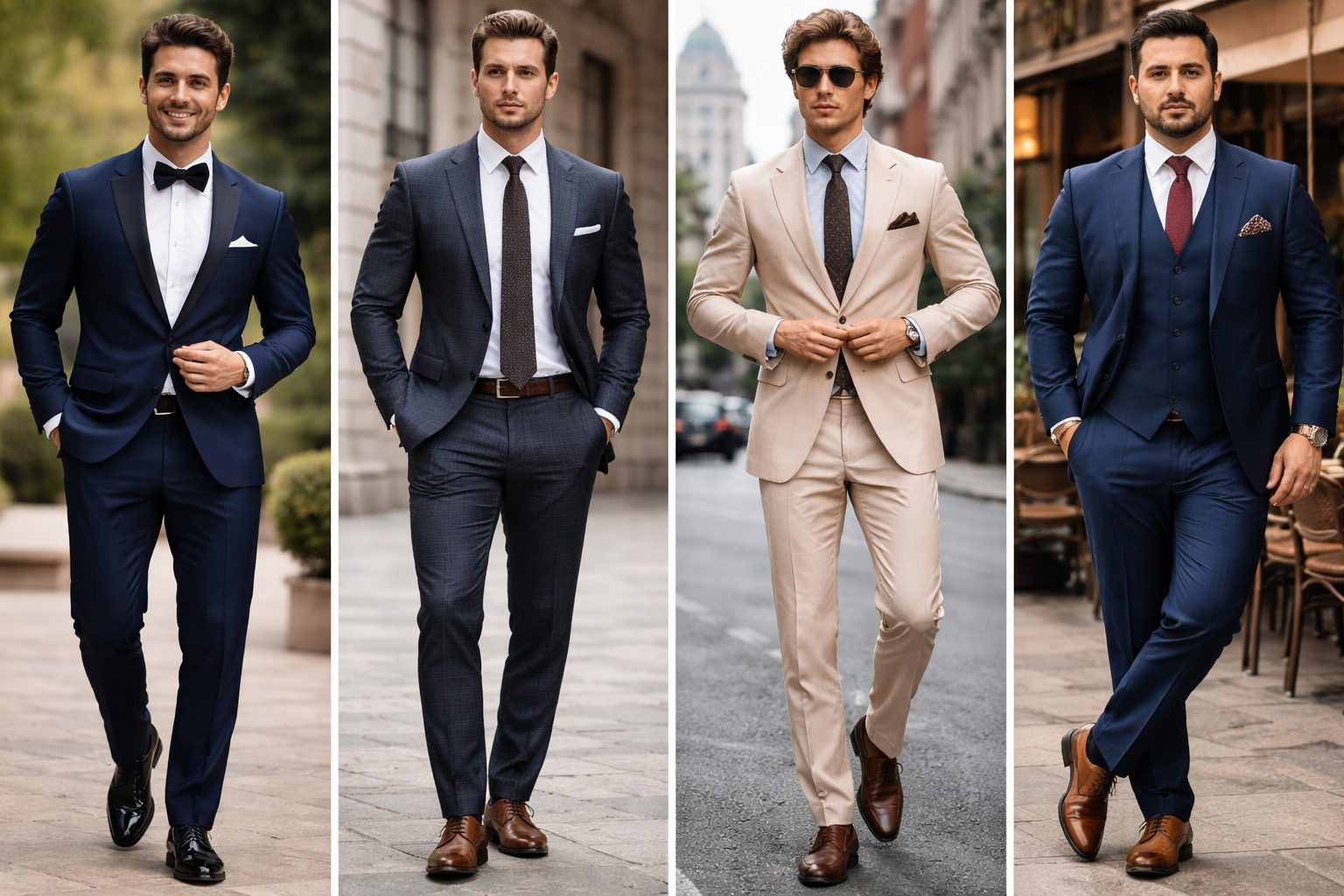
Formal dressing for men is most effective when it supports your proportions rather than forcing you into a generic “slim” or “regular” template. The right outfit creates a clean vertical line, sits comfortably through movement, and looks deliberate from collar to cuff. Instead of focusing only on size labels, pay attention to shoulder fit, waist shaping, trouser rise, and fabric drape. These details determine whether your look appears sharp and balanced or stiff and mismatched. The goal is not to “hide” your body type, but to refine it, highlighting strengths, improving symmetry, and ensuring the suit or formal separates look tailored to you even before alterations.
Know Your Body Frame
Start by identifying the main structure of your frame: shoulder width compared to hips, torso length compared to legs, and where you naturally carry fullness. Men often fall into patterns such as athletic, straight, lean, or fuller midsections. This is not about strict categories; it’s about recognising what typically happens when you wear a jacket or trousers off the rack. When you understand your frame, you can predict which areas need room, which need shaping, and which details create better balance.
Choose Trousers That Balance
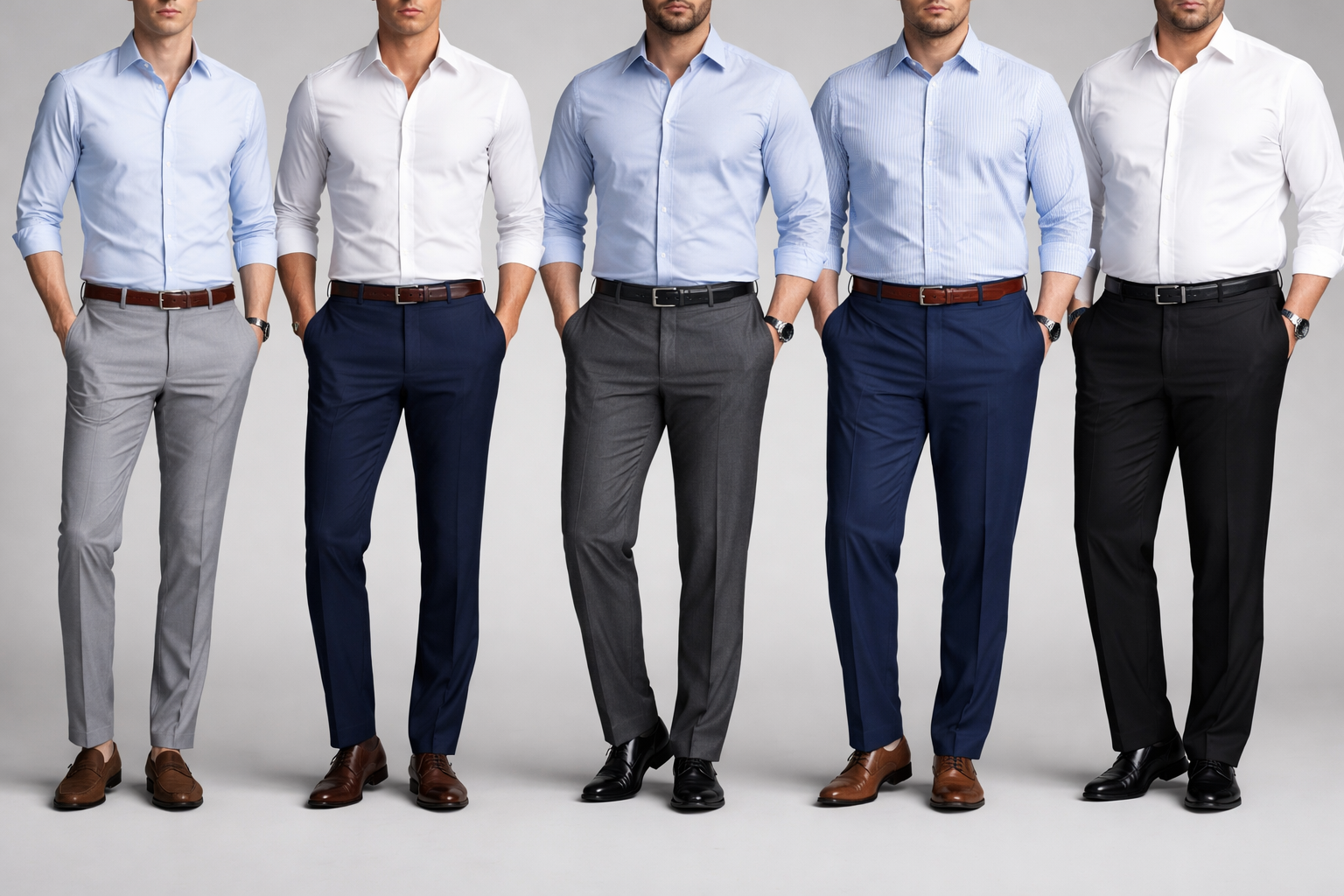
Trousers control your visual foundation, so they should complement your shape and create a steady line from waist to shoe. A mid-rise is generally flattering for most men because it avoids cutting the torso too low or sitting uncomfortably high. If you prefer comfort without losing a formal appearance, focus on top pants selection principles such as a crisp front, a stable waistband, and a clean hem. Pay close attention to breaks: too much stacking shortens the leg, while an overly short hem can look abrupt with formal shoes.
Pick A Flattering Jacket
The jacket is the most visible structure in men’s formalwear, and small fit differences drastically change how your body type appears. The shoulders must sit cleanly at the edge; too wide looks sloppy, too narrow restricts movement and creates pulling lines. A lightly shaped waist can enhance definition without feeling tight, particularly when the jacket closes smoothly and lies flat at the buttons. Jacket length should cover the seat to maintain traditional proportion and keep the legs looking longer.
Style For Athletic Builds
Men with broader shoulders and a narrower waist often look powerful in formalwear, but the key is avoiding excess bulk in the upper body. A slight waist suppression can highlight your shape, but too much taper may cause the skirt of the jacket to flare over the hips. For trousers, a comfort-focused dressing for men can help in selecting tailored fits that allow room to move while maintaining a sharp and balanced appearance.
Keep Lapels And Shoulders Clean
Aim for lapels that sit flat and shoulders that end exactly where your shoulder bone naturally finishes. When it is too tight, creasing and pulling make even expensive tailoring look strained.
Balance With Trouser Shape
To offset a broader chest and shoulders, choose trousers with enough room through the thigh and a controlled taper to the ankle.
Dress For Slim Frames
If you have a lean build, the goal is to add presence through structure while keeping everything proportional. A well-fitted jacket with a clean shoulder line creates definition and avoids a “swallowed by fabric” effect. Consider slightly more substantial fabrics; midweight wool often hangs better than very thin material, which can appear limp. Double-breasted styles can add visual fullness if they fit properly, but a single-breasted suit with balanced lapels works just as well.
Handle A Broader Midsection
For men who carry weight around the stomach, flattering formalwear focuses on comfort, smooth drape, and a longer visual line. Choose jackets that close without strain and avoid overly high button stances that can highlight the midsection. A slightly longer jacket length often looks more balanced and helps create a clean silhouette over the hips.
Choose The Right Rise
A mid to higher rise typically stabilises the shirt tuck and reduces waistband pressure across the stomach. It also improves proportions by visually lengthening the leg line and keeping the outfit’s midpoint in the right place.
Use Structure Without Tightness
Select a jacket with enough internal structure to hold shape through the chest and lapels, but not so tight that it creates stress lines around the button.
Use Color And Fabric Wisely
Colour and fabric selection influence how formalwear flatters your body type because they affect perceived size, shape, and sharpness. Darker shades like navy and charcoal are versatile and tend to create a slimmer, cleaner line, while mid-tones can highlight form and texture more easily. When coordinating ties, solid tie outfit tips can help ensure your choice complements both the colour and drape of your trousers, maintaining a balanced and polished appearance.
Choose Shoes And Accessories
Shoes and accessories should support your proportions and keep the outfit cohesive. A slim tie can look undersized on broader frames, while an overly wide tie can overwhelm a lean build, so aim for balance with moderate widths. Knowing how to elevate outfits with accessories ensures that pocket squares, belts, and watches enhance the ensemble rather than compete for attention. Shoes matter especially: sleek oxfords elongate the leg line and suit most formal settings, while chunkier styles can shorten the appearance of the lower half.
Conclusion
Men’s formalwear flatters most when you prioritise proportion, structure, and clean drape instead of chasing trends that don’t suit your frame. By understanding your body shape, selecting trousers and jackets that balance your silhouette, and using fabric, colour, and tailoring strategically, you can look sharper in any formal setting. Keep the focus on fit at the shoulders, comfort at the waist, and a controlled line through the legs. When these fundamentals align, your outfit looks confident, refined, and purpose-built, exactly what formal attire should deliver.
