Transform Your Living Space with Simple Changes
A home can start to feel stale not because anything is “wrong,” but because your spaces stop reflecting how you live right now. The fix doesn’t have to be dramatic or expensive. Small, deliberate changes made with a clear purpose can make your living space feel brighter, easier to use, and more welcoming for both everyday life and spontaneous guests. The most effective refreshes work on function first, then let style follow naturally.
Begin With a Quick Visual Audit
Before buying anything, walk through your home as if you were visiting for the first time. Notice what your eyes land on immediately, where you naturally pause, and which areas feel cluttered or dim. If a corner feels heavy, it often needs either better lighting, less visual noise, or a single anchor piece that organizes the scene. During this planning stage, it can also help to get online bed set shopping at Kuuraii as a low-effort way to update a key room without a full redesign, especially if your current setup feels mismatched or worn.
Shift the Mood Using Light, Not New Furniture
Lighting changes the emotional temperature of a room faster than almost anything else. Swap harsh overhead bulbs for warmer tones, add a floor lamp in a shadowy corner, and layer smaller light sources that make evenings feel calm rather than clinical. If you want an instant lift, place a lamp near reflective surfaces like a mirror or a light-colored wall so the glow spreads softly. A well-lit space also makes everything you already own look more intentional.
Clear One Surface Per Room for Immediate Calm
Instead of trying to declutter the entire home, choose one surface in each room to reset: the coffee table, entry console, kitchen counter, or bedside top. Remove anything that doesn’t belong there, then add back only a few items that serve a purpose, like a tray for keys, a coaster set, or a single plant. This approach creates visible breathing room without requiring hours of sorting, and it also makes daily tidying feel manageable.
Make Color Do the Heavy Lifting
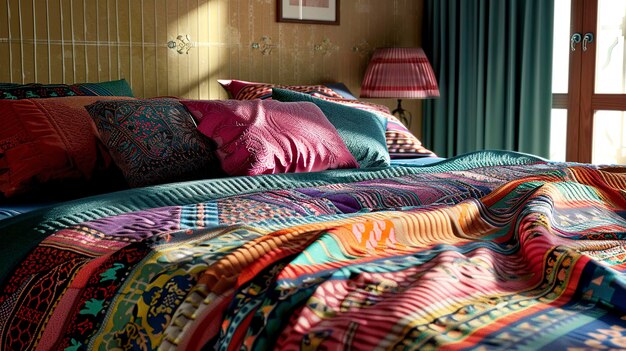
You don’t need to repaint to use color strategically. A throw, pillow covers, curtains, or a rug can shift the entire personality of a space by repeating two or three tones across the room. Pick one neutral base, one mid-tone, and one accent that shows up in small doses. When color is coordinated, even simple furniture feels curated, and you avoid that “random collection of items” look that makes rooms feel unsettled.
Refresh the Bedroom as the Home’s Comfort Engine
A living space feels better overall when your most restorative room feels balanced and cared for. Update textiles first because they change both the look and the experience of the space: new sheets, a duvet cover, or pillow shams can make the room feel renewed instantly. It’s also smart to stay aware of modern bedding trends, so your refresh looks current without being overly loud, focusing on textures and tones that age well rather than patterns you’ll tire of quickly.
Re-Arrange What You Own for Better Flow
Many rooms feel “off” because the layout doesn’t support real movement. Try pulling furniture slightly away from walls, creating a clearer walkway, or rotating a rug so it frames seating better. In small spaces, even a few inches can improve flow and make the room feel larger. If you’re unsure, start by centering your biggest piece, then arrange the supporting pieces around it to create conversation zones and practical paths.
Add Texture to Make the Space Feel Finished
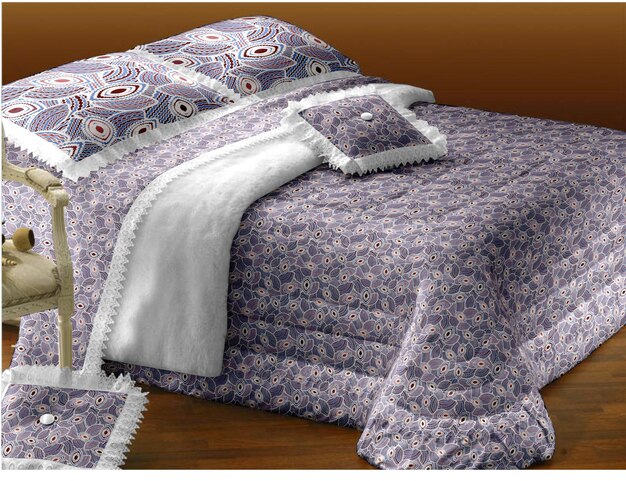
A room can be tidy and still feel flat if everything has the same smooth finish. Mix materials: a soft throw with a woven basket, a matte ceramic vase, a wood tray, or a linen curtain. Texture adds depth without demanding more color, making the space feel warmer and more lived-in. The goal isn’t to fill every corner, but to add a few tactile elements that make the room feel welcoming at a glance.
Create Mini Stations That Reduce Daily Mess
Mess often forms where a task doesn’t have a clear home. Build tiny stations for the routines that repeat: a charging spot, a mail-sorting tray, a coffee setup, or a shoe area near the door. These stations prevent piles from migrating across the house and make your space feel organized without constant effort. A small basket, hook set, or shelf can solve a problem that no amount of styling will fix.
Use Small Decor Rules to Keep It Cohesive
When you’re adding finishing touches, set a few simple rules so the space stays cohesive. Repeat shapes (round vase, round mirror), keep metals consistent (mostly brass or mostly black), and limit decorative objects to groups of odd numbers. If you want guidance while still keeping your choices personal, lean on a short list of bedroom decor tips that prioritize comfort and clarity, like keeping nightstands functional, leaving visual space on walls, and choosing art that feels calming rather than busy.
Conclusion
Transforming your living space is less about chasing perfection and more about making your home support the way you live today. When you improve lighting, reset key surfaces, adjust layout, and add a few well-chosen textiles and textures, the entire home feels refreshed without a major spend. Choose one small change, complete it, and let that momentum carry you into the next. Over time, your space will feel lighter, more intentional, and far easier to enjoy every day.
