Daily Stretching Made Easier With Supportive Fitness Padding
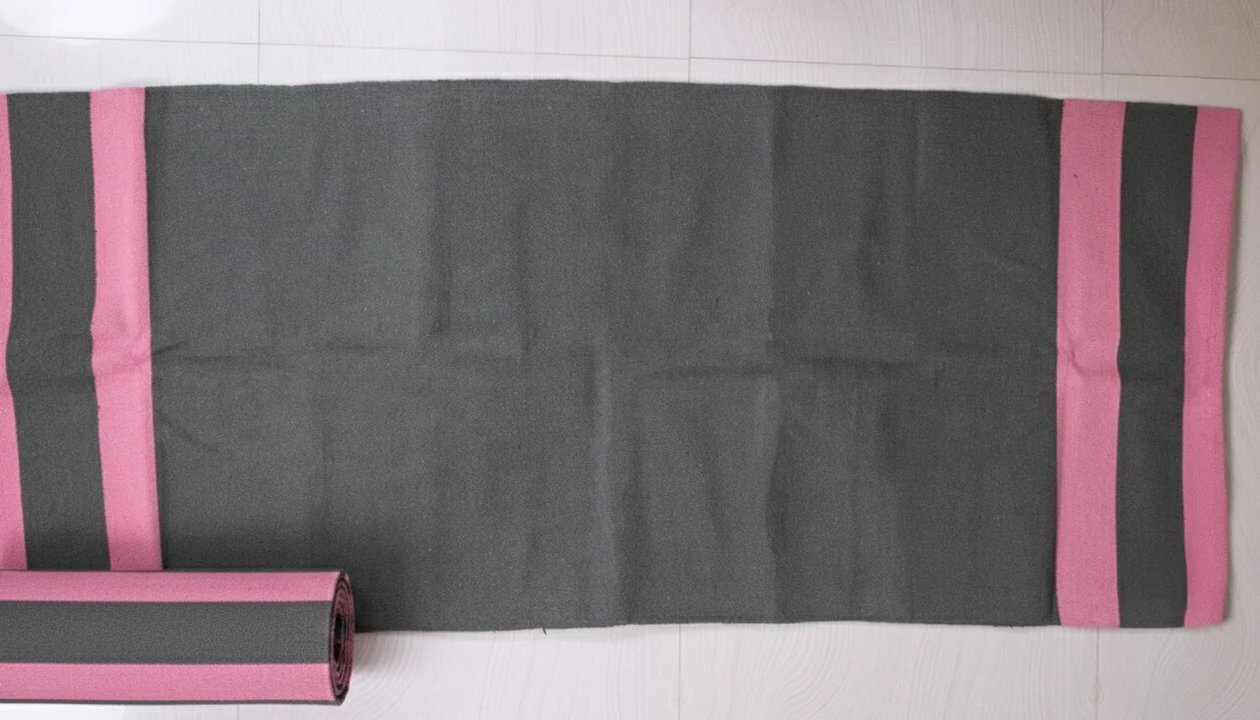
Daily stretching is one of the simplest ways to care for your body, yet many people find it uncomfortable or difficult to maintain as a habit. Hard floors, thin rugs, and unstable surfaces can quickly turn a relaxing routine into a strain on your joints. Supportive fitness padding offers a practical solution, turning any corner of your home or studio into a safe, comfortable stretch zone that encourages consistency rather than avoidance.When you pair a thoughtful stretching routine with the right padding, you create an environment where movement feels inviting instead of stressful. The result is better flexibility, reduced muscle tension, and a smoother start or end to your day. Understanding how supportive padding works, and how to use it effectively, can transform daily stretching from a vague recommendation into a sustainable wellness practice.
Why Comfort Matters For Consistent Daily Stretching
Consistency is the foundation of any effective stretching routine, but discomfort is one of the main reasons people stop. When your knees dig into a hard floor or your spine feels unsupported, you naturally cut sessions short or skip them altogether. Supportive fitness padding provides cushioning that reduces pressure points, allowing you to hold stretches longer without distracting pain or irritation.Comfort also has a psychological impact. When your stretching space feels soft, secure, and inviting, it becomes easier to associate the routine with relaxation rather than effort. This mental shift encourages you to return to your mat day after day. If you are building a home setup, you can explore and shop at Kuuraii store to find padding options that match your comfort preferences and space constraints while maintaining a professional feel.
How Supportive Fitness Padding Protects Joints And Spine
Your joints and spine bear the brunt of poor surface support during stretching. Movements that involve kneeling, lunging, or lying on your back are particularly sensitive to the quality of the floor beneath you. Supportive fitness padding distributes body weight more evenly, reducing the sharp pressure that can accumulate in the knees, hips, elbows, and shoulders when using bare flooring or thin mats.This even distribution of weight helps minimize unnecessary strain and micro-stress on connective tissues. Over time, repeatedly stretching on hard surfaces can exacerbate joint discomfort and discourage deeper ranges of motion. With padding that offers both cushioning and stability, your joints are better protected, and your spine remains aligned without compensating for gaps or bumps in the floor. This combination supports a safer, more sustainable stretching practice suitable for all fitness levels.
Creating A Dedicated Stretch-Friendly Space At Home
Establishing a dedicated stretching space at home significantly improves your chances of maintaining the habit. Supportive fitness padding acts as the foundation of that space, visually defining your movement area while offering functional benefits. When you roll out your mat or lay down padded tiles in the same spot each day, you build a subtle ritual that signals it is time to focus on your body.A designated area also helps remove barriers such as clutter or distractions. If your stretching station is always ready, you spend less time rearranging furniture or searching for equipment and more time actually moving. Over time, this consistency allows your body to adapt, making stretching feel familiar and comforting. The presence of supportive padding reinforces the sense of safety and routine, turning a simple corner into a personal wellness zone.
Enhancing Flexibility And Range Of Motion With Better Support
Improving flexibility is a gradual process that requires patience and regular practice. Supportive fitness padding contributes by making it more comfortable to spend time in positions that challenge your range of motion. When your body feels stable and cushioned, you are more likely to breathe deeply, relax into each stretch, and allow muscles to lengthen at a controlled pace instead of tensing up to protect against discomfort.This sense of support is particularly important for stretches that involve deeper lunges, seated forward bends, or lying twists. On a hard surface, the body instinctively guards sensitive areas, limiting progress. With appropriate padding, your muscles and connective tissues can gradually adapt to longer holds and more advanced variations without added strain. Over weeks and months, this supportive environment can lead to noticeable improvements in flexibility and ease of movement in daily life.
Reducing Injury Risk During Stretching Routines
While stretching is generally considered low-risk, performing movements on an unsupportive surface can increase the chance of minor injuries. Slipping on slick floors, twisting awkwardly to avoid discomfort, or landing too heavily on joints can result in strains and bruises. Supportive fitness padding introduces traction and cushioning that help stabilize your body, allowing for controlled transitions between positions.Stable padding is especially valuable for dynamic stretching or warm-up routines that involve gentle movement rather than static holds. By reducing the likelihood of losing footing or slipping, the padding helps you maintain proper form and alignment. This not only protects your joints and muscles but also builds confidence. When you trust the surface beneath you, you can focus fully on technique, breathing, and gradual progression instead of worrying about sudden discomfort or imbalance.
Adapting Padding To Different Stretching Styles And Needs
Not all stretching routines are identical, and the type of supportive fitness padding you choose can reflect your preferred style. Those who favor gentle, restorative stretches may prefer thicker, softer padding that emphasizes comfort and relaxation. People who incorporate more active mobility work or combine stretching with bodyweight exercises might lean toward firmer padding that offers greater stability and support for balance.Personal needs also play a role. Individuals with sensitive knees, wrists, or lower backs often benefit from extra cushioning in targeted areas. Modular padding, layered mats, or products with varied density can be arranged to provide customized support where it is needed most. This adaptability ensures that daily stretching remains accessible for different ages, fitness levels, and physical conditions. As your routine evolves, your padding can evolve with it, maintaining a supportive environment for long-term practice.
Building A Sustainable Daily Stretching Habit
Habits thrive on simplicity and positive reinforcement. Supportive fitness padding contributes to both by making your daily stretching routine feel comfortable and easy to start. When you know that your space is ready, your joints are protected, and your movements will feel supported, you are less likely to postpone or avoid the session. Over time, this reliability turns stretching into a regular part of your morning or evening rituals.A sustainable habit does not rely on motivation alone; it depends on systems that remove friction from the process. Padding is a small but powerful element of that system, transforming any surface into a consistent, safe environment for movement. As you continue to stretch daily, the benefits accumulate: improved flexibility, reduced stiffness, and a greater sense of body awareness. All of these outcomes reinforce the value of your routine and make it easier to keep returning to your supportive fitness padding day after day.
Conclusion
Daily stretching is most effective when it feels inviting rather than demanding. Supportive fitness padding provides the comfort, stability, and safety that encourage you to commit to the practice long term. By protecting your joints, enhancing flexibility, and reducing barriers to consistency, the right padding turns a simple routine into a reliable form of self-care.When you prioritize comfort as the foundation of your stretching environment, you create space for genuine progress. Over time, that progress shows up in everyday life, from easier movement at work to more relaxed evenings at home. Investing in supportive fitness padding is ultimately an investment in a more balanced, flexible, and resilient body, making daily stretching not only easier, but genuinely enjoyable.
